What Factors Affect the Whiteness of White Top Testliner?
Whiteness of White Top Testliner
The Whiteness not just affects the aesthetic appearance of the packaging, but also influences the printing quality. However, many manufacturers and importers rely heavily on visual assessments, often leading to misconceptions about what determines the whiteness of white top testliners. This blog will clarify the factors influencing the whiteness of white top testliners,exposing misconceptions, to assure that customers make correct decisions.
Understanding White Top Testliner
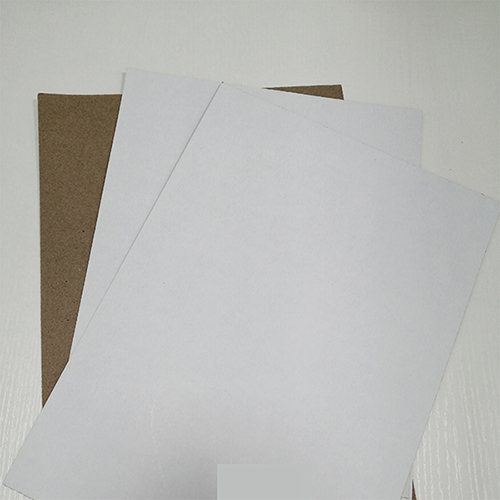
White top testliner is a type of linerboard produced from recycled fibers, primarily used in the production of corrugated boxes. IThe top surface is coated with a layer of white paper, this white coating strongly enhances printability and visual appeal. This dual-layer structure—comprising a white top and a kraft paper back—plays a pivotal role in the overall whiteness and quality of the product.
Whiteness Importance
Whiteness is a critical parameter in the packaging and printing industries. A higher whiteness level allows for better color representation during printing, enhances the visual appeal of the packaging.
Common Misconceptions about Whiteness
A common misconception is that whiteness can be solely judged by visual observation. Many customers rely on their intuitive vision to assess the whiteness of white top testliners, leading to inaccurate conclusions. This subjective approach can be misleading, as the visual whiteness is not solely determined by the surface characteristics; it is influenced significantly by the kraft paper backing.
1. Visual Whiteness Equals Quality
Many customers mistakenly equate visual whiteness with overall quality. While a bright appearance is appealing, it doesn’t necessarily reflect the underlying material quality or the suitability of the testliner for specific applications.
2. All White Top Testliners Are Created Equal
There is a common perception that all white top testliners have the same whiteness level. In reality, the factors discussed above can lead to significant variations between different products, even from the same manufacturer.
Factors Affecting Whiteness
1. Raw Materials Choice
The quality of raw materials used in the production of white top testliner is the first and foremost factor affecting its whiteness. The fiber source and the bleaching agents used can significantly influence the final product's color.
The quality of the raw materials used in the production of white top testliner is paramount. High-quality wood pulp yields a brighter and whiter product. Recycled fibers, while environmentally friendly, may vary in brightness and color, which can influence the final whiteness of the testliner. Additionally, the choice of additives and fillers can also impact the overall whiteness.
Fiber Source: The type of fibers used affects the brightness and cleanliness of the final product. Most White Top Liner are made of recycled fibers. Before the recycled fibers apply in, there must have an involuted process called deinking process. which may have impurities that can darken the final appearance.
Bleaching Agents: The type and quality of bleaching agents employed during the production process can also impact whiteness. Modern bleaching techniques using chlorine dioxide or hydrogen peroxide can enhance the whiteness of fibers without damaging their structural integrity.
2.Surface Coating Thickness and Uniformity
The surface coating applied to white top testliner plays a crucial role in determining its whiteness. Coatings can contain various pigments and brightness enhancers, which improve the surface reflectivity and overall whiteness. The formulation of the coating, including the type and quantity of materials used, can lead to significant variations in whiteness levels. The thickness of the white coating applied to the testliner significantly influences its overall whiteness. A thicker coat typically results in a brighter appearance, provided that the coating material itself is of high quality. However, this comes at a cost—both economically and in terms of weight, which can impact shipping and production efficiency.
3. Manufacturing Process
The manufacturing process itself is crucial in determining the whiteness of the final product. Various stages can introduce factors that either enhance or diminish whiteness.
The production process itself has a significant impact on the final whiteness of white top testliner. Factors such as pH levels, temperature, and pressure during the manufacturing process can influence how well the pigments in the coating adhere to the surface and how effectively they enhance brightness. There are more 2 like this:
Pulping Process: The method of pulping—chemical, mechanical, or a combination—affects the fiber quality and consequently the whiteness. Chemical pulping generally produces cleaner, whiter fibers compared to mechanical methods.
Additives and Coatings: Additives such as fillers (like calcium carbonate or titanium dioxide) can enhance whiteness but may also affect the overall quality if not used correctly. Similarly, the coatings applied on the surface of the white top testliner can either contribute to or detract from its whiteness.
4. Liner Paper Quality
As previously mentioned, the paper on the reverse side of the white top testliner plays a pivotal role in determining its overall visual appearance. The inherent color and quality of the paper can affect how the whiteness of the top layer is perceived.
Natural Color of Paper: If the paper has a darker hue, it may counteract the brightness of the white coating, leading to an overall lower visual whiteness. This is often overlooked by customers who rely solely on visual assessments.
5. Measurement Techniques
The method used to measure whiteness can also lead to misconceptions. Many manufacturers rely on subjective visual assessments, which can be misleading due to lighting conditions, background colors, and other variables.
Instrumental Measurements: Advanced instruments like spectrophotometers can provide objective and standardized measurements of whiteness, taking into account different wavelengths of light. These measurements can offer a more accurate representation of the product's whiteness compared to the naked eye.
6.Light Scattering Properties
Light scattering is a key optical property that affects whiteness. Materials with high light scattering ability reflect more light, creating a brighter appearance. The internal structure of the paper, including fiber orientation and the presence of air pockets, can affect these scattering properties. Manufacturers often seek to optimize these properties during the production process, to enhance the whiteness.
7. Environmental Factors
Environmental conditions during the production and storage of white top testliners can also impact their whiteness. For example, exposure to moisture can lead to discoloration, while improper storage conditions can affect the integrity of the coating.
Conclusion
Whiteness of white top testliner is influenced by multiple factors, from raw materials to manufacturing processes and even environmental conditions. Through these elements, customers can make the right decisions that align with their packaging needs.
In an industry where visual appeal and print quality are paramount, ensuring the right level of whiteness can set a product apart in a competitive marketplace. By moving beyond subjective visual assessments and embracing objective measurement techniques, customers can enhance their product offerings and maintain a competitive edge in the marketplace.
#whitetoptestliner #whitenessofwhitetopliner #factorsofwhitenessofwhitetopliner
How to Make the Manufacturing Process of Paper Cups and PE Coated Paper Bowls Better?
How White Top Liner Enhances Printing Quality for Packaging
Related Article