How to Make the Manufacturing Process of Paper Cups and PE Coated Paper Bowls Better?

In the packaging industry, though the manufacturers have established processes for making paper cups and PE-coated bowls, optimizing and improving these processes is key to ensuring higher quality, reducing waste, and increasing production efficiency. Through enhancing the manufacturing process, manufacturers can avoid common issues like leaks, defects, and uneven seals, thus to meet the growing demand for more eco-friendly, sustainable products.
This guide will explore practical methods to make the manufacturing process of paper cups and PE-coated paper bowls better. This will have the improvements in materials, machinery, quality control and process management will be covered to help manufacturers and exporters optimize production lines and deliver quality products.
1. Improving Material Selection for Higher Quality
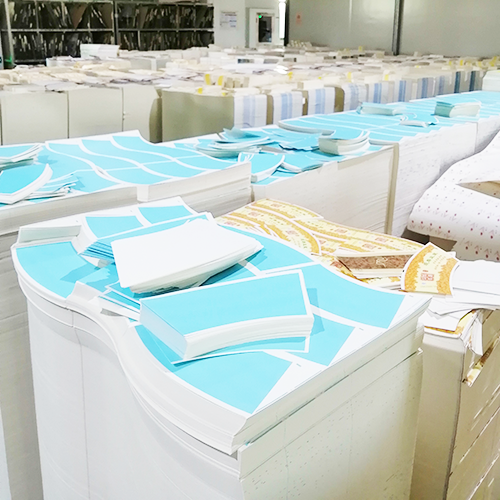
The foundation of any good paper cup or paper bowl lies in the quality of the materials used. Ensuring that the paperboard and PE coating are of the highest standard is crucial to reducing defects and improving the product's performance.
Upgrading Paperboard Quality
Paperboard is the core material for making paper cups and bowls. To ensure the final product is both sturdy and reliable, manufacturers should:
- Choose Food-Grade Paperboard: Opt for white FBB (Food-Grade Folding Box Board) or Ivory board. These materials are not only food-safe but also provide a smooth and strong base for the PE coating. Using paperboard from certified suppliers ensures the product complies with food safety regulations.
- Standardize Thickness: Variations in paperboard thickness can lead to inconsistent sealing and a poor overall appearance. Ensuring uniformity in thickness helps the forming and sealing processes run more smoothly and results in more durable products.
Enhancing PE Coating Application
PE (Polyethylene) coating is applied to paper cups and bowls to create a waterproof barrier. A consistent and high-quality PE coating is critical for the final product's durability and resistance to leaks.
- Use Advanced Coating Technology: Applying PE using extrusion coating or gravure coating technology ensures that the coating layer is consistent in thickness, providing better protection against liquids and enhancing the overall seal.
- Quality Control for Coating Thickness: Inconsistent PE coating thickness can lead to weak seals and leakage. Using automated systems to monitor the coating thickness during production can help maintain uniformity and reduce defects.


2. Optimizing the Forming and Sealing Process
The process of shaping and sealing paper cups and bowls is complex and requires precision. Improving these stages can help reduce defects like leaks, weak seals, and aesthetic imperfections.
Ensure Proper Heat and Pressure in Sealing
Heat sealing is one of the most critical processes in paper cup and bowl production. The failure to achieve the right seal can lead to water seepage, weak bottoms, and other defects.
- Adjust Sealing Temperature and Pressure: Ensure that the sealing dies are set to the correct temperature and pressure levels. Too much heat can cause the paperboard to warp or burn, while too little heat may result in incomplete seals. Maintaining optimal settings for each production run helps improve the sealing integrity.
- Monitor Seal Time: Seal time is equally important—if the sealing process is too fast or too slow, it can lead to poor bonding. Implementing automatic timers or feedback systems that adjust in real time can ensure that the seal is applied effectively.
Maintain Proper Die Alignment and Calibration
Misalignment of the die or mold used to shape the paperboard can result in inconsistent seals, especially at the critical junctions like the bottom or rim of the cup or bowl.
- Regular Die Calibration: Perform routine maintenance and calibration of sealing and forming dies to ensure they are perfectly aligned. Regular checks for wear and tear on molds can also prevent alignment issues that can lead to poor seals.
- Upgrade Die Design: Advanced die designs with better flow paths and optimized heat distribution can improve the overall sealing quality, leading to fewer defects and more uniform cups and bowls.
3. Addressing the Challenges of High-Speed Production
Manufacturers are often under pressure to increase production speeds to meet demand. While faster production is essential, it can lead to compromises in quality if not carefully managed.
Control Production Speed
Running the production line too quickly can cause problems with heat application, pressure, and material handling. As a result, cups and bowls may not be formed or sealed properly, leading to leaks and weak joints.
- Optimize Production Speed for Consistency: Find the optimal speed for your production line that balances efficiency with quality. Slowing down the process slightly in key stages (such as sealing and forming) can result in more consistent product quality without sacrificing throughput.
Implement Real-Time Quality Monitoring
The speed of production can sometimes lead to overlooked quality issues. By integrating real-time monitoring systems, manufacturers can detect issues since they occur and make immediate adjustments.
- Automate Inspections: Machine vision systems and automated inspections can detect defects such as uneven seals, incorrect folding, or inconsistent PE coating. This technology helps catch issues early, preventing the production of defective products.

4. Improving the Forming Process
The forming process of paper cups and bowls is so important to ensure their structural integrity and the ability to hold their contents without leakage. Improvements in the forming process can have a significant impact on product quality.
Refine the Cup and Bowl Shaping Machine
The shaping of paper cups and bowls involves multiple stages, such as rolling, folding, and sealing. Any issues in this process can lead to an uneven appearance and structural weakness.
- Upgrade Shaping Equipment: Modernizing the forming equipment to ensure precise folding and shaping is critical. Machines with better control over folding angles and pressures can produce more uniform products, the defective rates will be lower.
- Reduce Material Waste: Optimize material usage by reducing excess trim during the forming process. Good machine design can minimize waste and lower material costs.
Ensure Consistent Folding and Pressing
Uneven or incorrect folding of the paperboard during the forming process can lead to poor sealing, especially at the critical bottom or rim areas.
- Standardize Folding Parameters: Adjust folding pressures and angles to ensure that the paperboard forms uniformly. Proper alignment of the paperboard during the forming stage ensures that folds are crisp and the sealing areas are accurate.
- Control Pressing Force: Apply consistent pressing force during the formation of the bottom and rim of the cup or bowl. Inadequate pressure during this stage can result in weak seals that fail to hold liquids effectively.
5. Emphasis on Sustainability and Eco-Friendly
As global awareness of environmental issues continues to grow, manufacturers are increasingly focused on producing sustainable products. Improving the environmental footprint of paper cup and bowl manufacturing can provide a competitive advantage while satisfying consumer and regulatory requirements.
Use Biodegradable Coatings
Many manufacturers are moving towards using biodegradable or compostable coatings instead of traditional PE.
- Research Eco-Friendly Coating Alternatives: Explore alternatives to traditional PE coatings that are compostable or made from renewable resources. These materials can still offer the required liquid resistance while aligning with sustainability goals.
Reduce Energy Consumption
The energy-intensive processes of coating, heating, and forming can be optimized for better energy efficiency.
- Invest in Energy-Efficient Machinery: Using energy-efficient machines for coating, heating, and sealing can reduce overall energy consumption. Modern machines also provide better process control, to ensure good quality while make the energy costs much lower.

6. Enhance Quality Control and Continuous Improvement
Quality control is critical to ensure that paper cups and PE-coated bowls meet the necessary standards for strength, aesthetics, and performance. A well-organized quality control system that catches defects early in the process is essential.
Execute The Statistical Process Control (SPC)
Statistical process control (SPC) can help manufacturers monitor all key indexs like seal strength, coating thickness, and material consistency. these real-time data can assure the manufacturers to have a better adjustments before defects occur.
- Monitor Key Performance Indicators (KPIs): Regularly track performance indicators related to seal quality, cup/bowl integrity, and production speed to identify areas for improvement.
Train and Empower Workers
Well-trained operators are the backbone of any successful manufacturing process.
- Invest in Employee Training: Regular training can ensure that workers form the better understanding on the importance of quality control, machine operation, and troubleshooting. Training employees on the latest equipment and technology, this can lead to a smoother, more efficient production.
When we improve the manufacturing process of paper cups and PE-coated paper bowls, we can fix the problems, optimize each step for greater efficiency, higher quality, and better sustainability. Through better material selection, improving the forming and sealing processes, optimizing production speeds, and embracing sustainability, manufacturers can significantly enhance the quality of their products while staying ahead in a competitive market.
#papercups #paperbowls #pecoatedpapercups #ecofriendlypapercupsandbowls #cupstockpaperboards
Why Do Whiteness Results Look So Different When Testing White Top Test Liner?
What Factors Affect the Whiteness of White Top Testliner?
Related Article