How to Understand the Differences Between Testliner and Fluting Paper
In the world of packaging and corrugated board manufacturing, understanding the nuances between different types of paper is crucial. Two of the most commonly used papers in this industry are testliner and fluting paper. As a professional manufacturer of medium paper, fluting paper, testliner, and white top liner, we aim to provide a comprehensive guide to help you distinguish between these two essential materials.
What is Testliner?
Testliner is a type of paper predominantly used as the outer and intermediate layers of corrugated board. It is made from 100% recycled fibers materials, to mak it as an environmentally friendly option. Testliner is known for its excellent printability, strength, and consistency. It comes in various grades, offering different levels of burst strength and grammage, tailored to meet specific packaging needs.
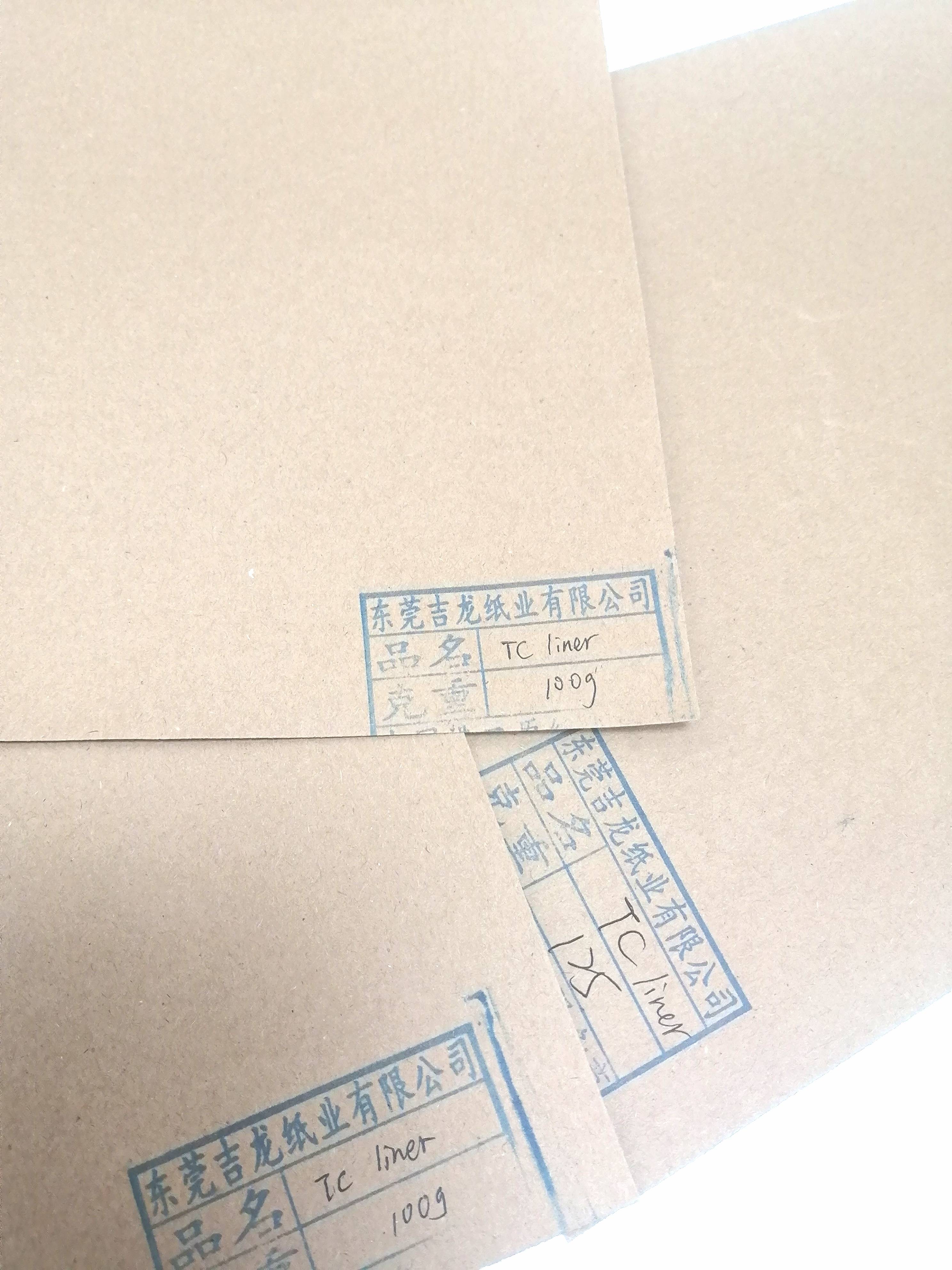
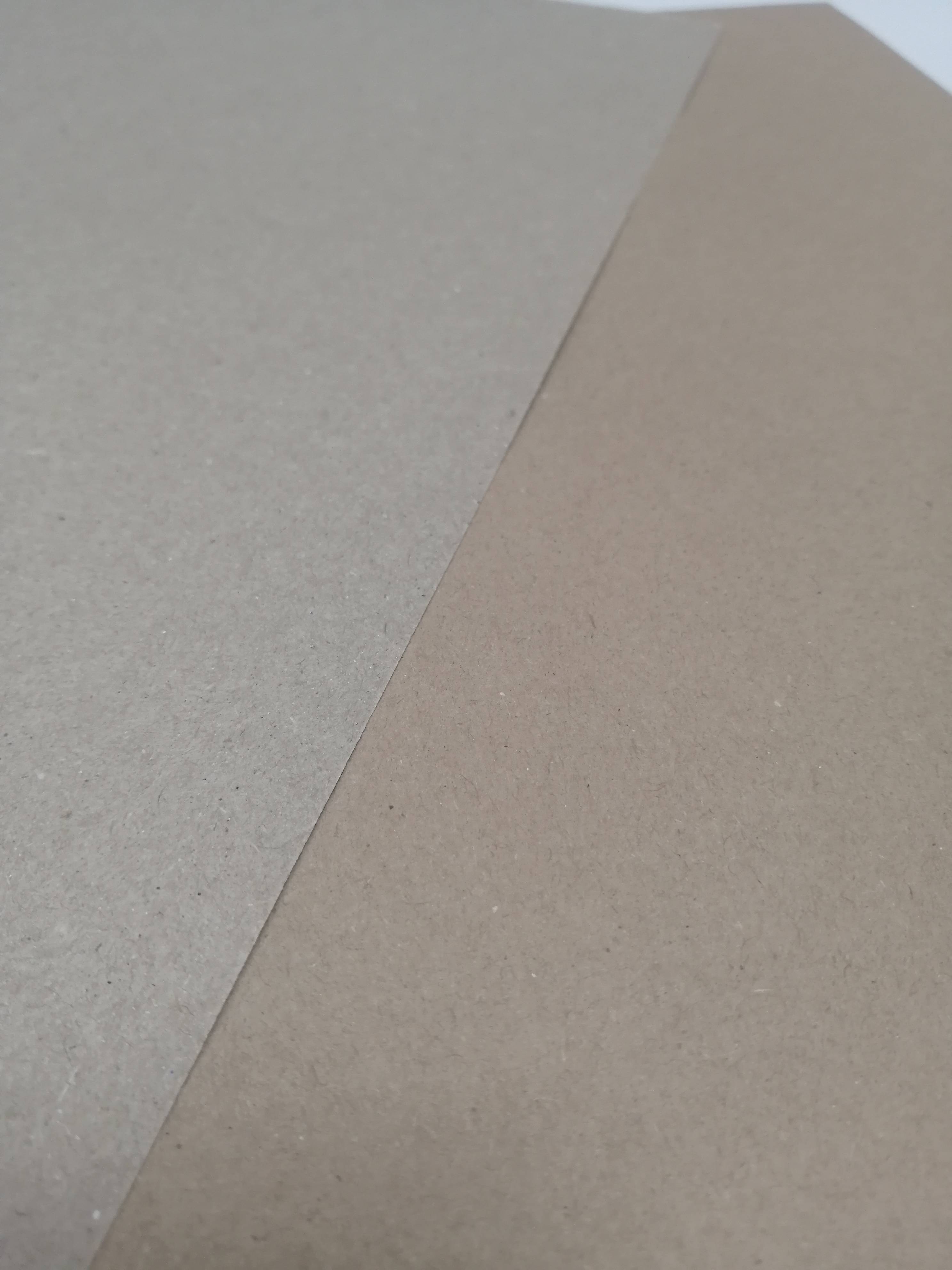
Key Characteristics of Testliner:
-
Recycled Content: Composed of 100% recycled fibers.
-
Strength: Offers high burst strength and good performance.
-
Printability: Provides a smooth surface for high-quality printing.
-
Versatility: Available in different grades to suit various applications.
What is Fluting Paper?
Fluting paper, also known simply as fluting, is the wavy middle layer of corrugated board. It provides rigidity and cushioning, and it will make the corrugated board strong and resistant to crushing. Fluting is also typically made from recycled fibers, and its primary function is to create the corrugated structure that gives the board its strength.
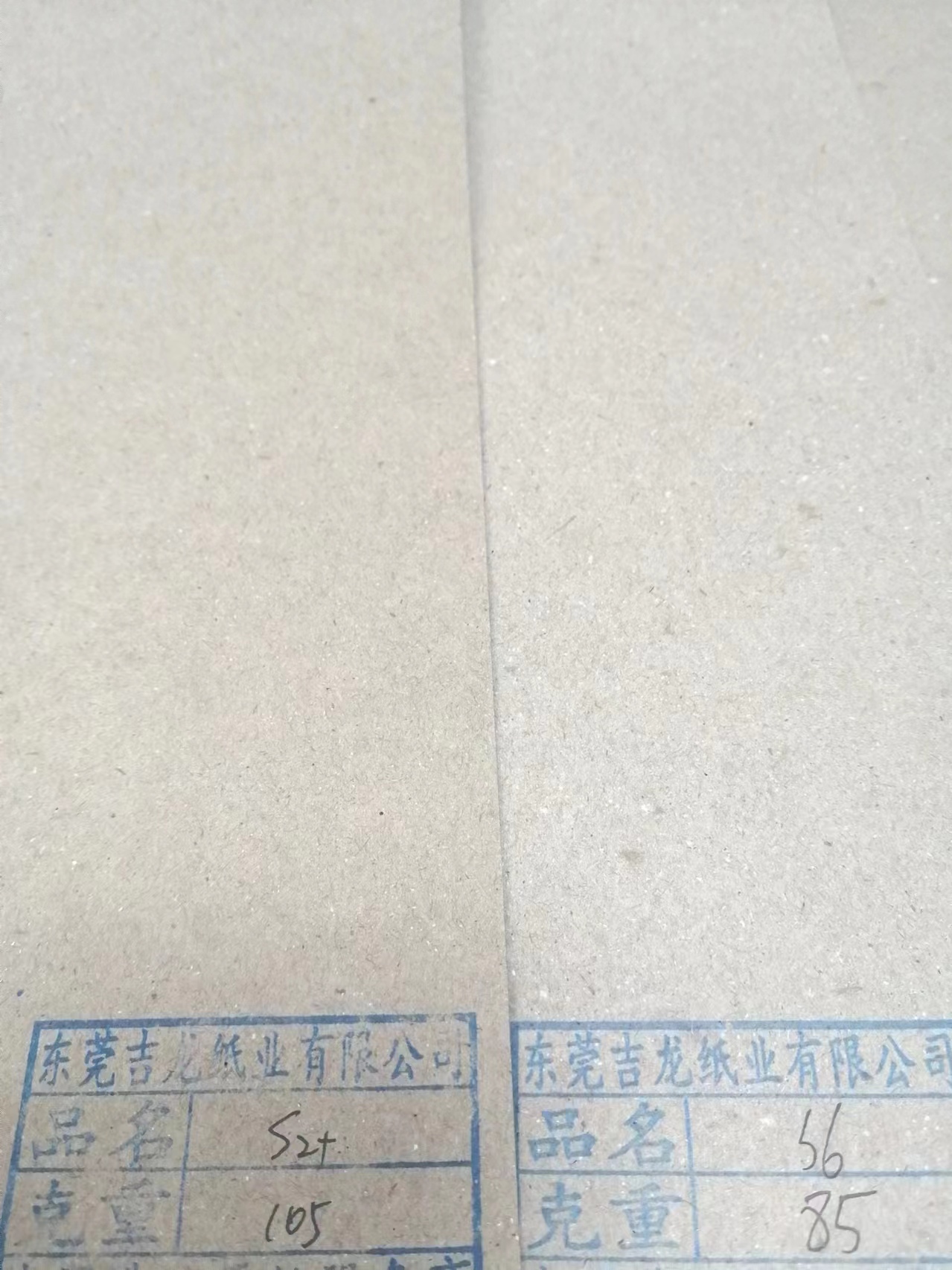
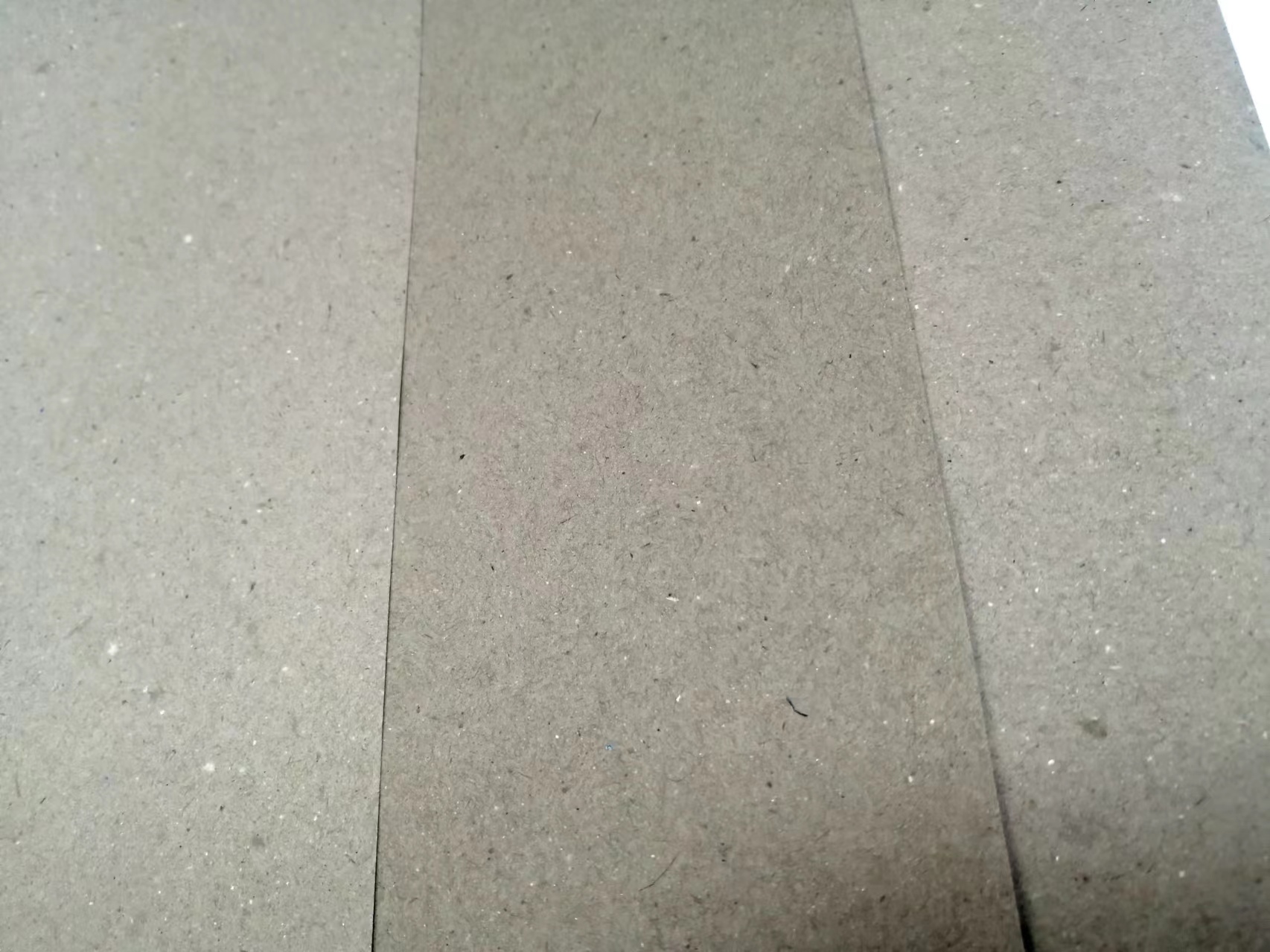
Key Characteristics of Fluting Paper:
-
Recycled Content: Often made from 100% recycled fibers.
-
Rigidity: Provides structural integrity and strength to the corrugated board.
-
Cushioning: Offers shock absorption and protection for packaged goods.
-
Cost-Effective: Generally more affordable due to its recycled nature and production process.
Differences Between Testliner and Fluting Paper
While both testliner and fluting paper are integral to the construction of corrugated boards, their roles and properties differ significantly:
-
Function:
-
Testliner: Used as the outer and intermediate layers, providing printability and strength.
-
Fluting: Used as the wavy middle layer, offering rigidity and cushioning.
-
-
Surface Quality:
-
Testliner: Has a smoother surface, suitable for printing and branding.
-
Fluting: Typically rougher, as it is not exposed and does not require printability.
-
-
Strength:
-
Testliner: Contributes to the overall burst strength of the corrugated board.
-
Fluting: Enhances the board's structural integrity and resistance to crushing.
-
-
Cost:
-
Testliner: Generally higher in cost due to its higher quality and printability.
-
Fluting: More cost-effective, focusing on structural support rather than aesthetics.
-
In summary, testliner and fluting paper serve distinct but complementary roles in the creation of corrugated boards. Testliner provides the necessary printability and outer strength, while fluting paper ensures the rigidity and protective cushioning of the board. If understand these differences, the manufacturers and customers will alike to make informed decisions about their packaging needs.
At Global Pulp and Paper Limited, we pride ourselves on producing high-quality testliner and fluting paper that meet the diverse requirements of the packaging industry. Whether you need durable, printable outer layers or strong, cushioning inner layers, we have the right products to suit your needs.
#flutingpaper #testliner #bestpricetestliner #hotsaleflutingpaper #testlinerandflutingpaper #100%recycledflutingpaper
Unveiling the Excellence of White Top Liner (WTL): A Comprehensive Guide by Global Pulp and Paper Limited
How to produce high-quality medium paper?
Related Article